

Heat Pump Repair in Berkeley, CA
If the thermostat calls for heat but the house keeps getting colder, that tells you more than the temperature of the air at one vent. The same distinction matters in summer: hearing the outdoor unit run is not the same as seeing the indoor temperature come down. If your heat pump has stopped keeping up, Harry Clark Heating & Air Conditioning provides heat pump repair in Berkeley for systems that lose heating, cooling, airflow, or the ability to switch modes.
You do not need to know which part has failed to request heat pump service. Tell us what the system was asked to do and what happened instead. Our technicians check the controls, airflow, and equipment, then explain what they found and what the repair options are before work proceeds.
When Does a Heat Pump Need Repair?
Request a repair visit when the system repeatedly fails to reach its setting, a mode that used to work stops working, or a change in sound or airflow comes with a loss of heating or cooling. An isolated sound at startup is different from a new rattle that continues while the equipment runs. Likewise, a longer heating cycle on a cool morning is less concerning than a system that runs all morning while the indoor temperature falls.
- Only one mode works. Tell us if the system cooled normally the last time you used it but now fails to heat, or vice versa.
- The fan runs, but little air reaches the rooms. Note whether airflow is weak throughout the home or only at certain vents.
- The system stops before the house is comfortable. Note whether it restarts on its own or displays a message at the thermostat.
- The outdoor unit stays iced over. A coating that does not clear and coincides with poor heating is different from temporary frost.
What Harry Clark Checks During the Visit
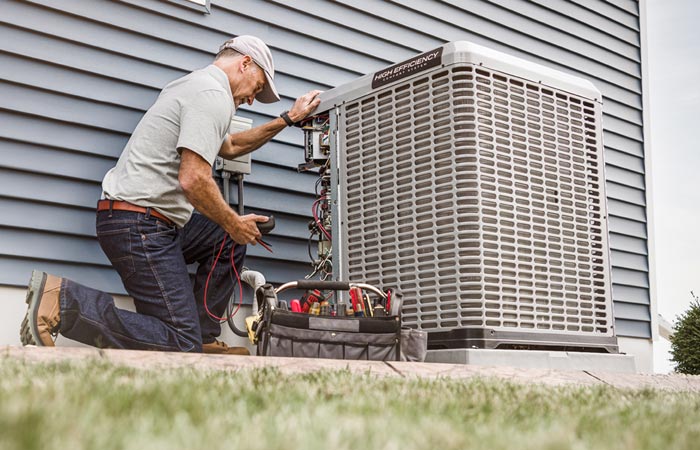
The thermostat is a useful starting point because it shows what the system is being asked to do. We evaluate the thermostat and controls, check airflow and filter condition, and examine the electrical components and the indoor and outdoor coils. We also evaluate how the refrigerant system performs. Those checks help distinguish a problem moving air through the home from a problem moving heat between the two coils.
The symptom guides the next part of the diagnosis. If cooling works but heating does not, the technician checks how the equipment responds to a change of mode. A heat pump changes the direction in which refrigerant flows so that it can deliver heat indoors instead of carrying it outside. An incorrect control signal can look much like a failure to reverse. The symptom alone is not a reason to replace a valve.
Before repair work proceeds, we explain which findings account for the problem, what can be repaired, and whether anything remains uncertain. If one issue explains the loss of heat but not the weak airflow in a back bedroom, those are worth discussing separately. You should know which improvement to expect from the proposed work.
Is Frost on the Outdoor Unit Normal?
A light layer of frost can be normal. On a cool, damp Berkeley morning, the outdoor coil can be cold enough for moisture to freeze while the heat pump is heating your home. The equipment periodically enters a defrost cycle to clear the coil. The sound may change, the outdoor fan may pause, and you may see a brief cloud of water vapor. What matters is whether the frost clears and normal heating resumes.
If ice keeps building, the fan makes contact with ice, or the home continues to lose heat, stop running the system and arrange service. Do not chip the ice off or pour hot water over the unit. If you can take a photo from a safe distance, it can help show the technician what the coil looked like before conditions changed.
One Cold Room or a Whole-House Heating Problem?
In a Berkeley home with an addition or a remodeled floor plan, ask whether the uncomfortable room ever heated well. A back room that has been cold since a remodel points to a different starting point than a sudden loss of heat throughout the house. With a ducted heat pump, air has to reach the room and find its way back to the system. Replacing a working outdoor component will not correct a restricted return or a disconnected duct.
If the whole house changed at once, note whether the change followed a power interruption, thermostat adjustment, or filter replacement. If the concern extends beyond the heat pump itself, Harry Clark also provides heating and air conditioning services in Berkeley for problems involving other equipment or the way conditioned air reaches the rooms.
Safe Checks Before the Appointment
Check the thermostat mode and schedule, look for furniture covering a return grille, and note whether an accessible filter looks heavily loaded. If the thermostat displays an error, write down the message as shown. An observation that takes a minute can be more useful than repeatedly changing settings and losing track of when the problem started.
Leave equipment panels, wiring, refrigerant lines, and internal components alone. If a breaker keeps tripping, do not reset it repeatedly to keep the heat pump running. Stop using the equipment and report the trip when arranging service, along with any burning odor, unusual noise, or visible damage.
Repair, Seasonal Maintenance, or Replacement?
If there is an active fault, book diagnosis rather than a tune-up. For equipment that is heating and cooling normally, heat pump maintenance is the appropriate choice for preventive care. Tell the office about intermittent problems even if the system happens to be working on the day you call.
Age alone is not a reason to replace a heat pump. An isolated control fault on an otherwise dependable system presents a different decision from another major repair on equipment that has already failed several times. Consider what the proposed repair would correct, which comfort problems would remain, and how the system performed before the failure. If replacement is worth comparing, heat pump installation in Berkeley involves a separate decision about capacity and how the new equipment will serve the home.
Questions Before Scheduling Heat Pump Repair
Does cool air at a vent mean the heat pump is broken?
Not by itself. Air from a working heat pump can feel cooler against your hand than air from a furnace. The more useful observation is whether the room warms toward the thermostat setting. If the indoor temperature keeps falling while the system calls for heat, request service.
Can a technician investigate a problem that comes and goes?
Yes. Describe the last time it happened, including the operating mode, thermostat setting, and what changed afterward. A photo of a displayed fault code can help if the message disappears. You do not need to force the problem to happen again before calling.
Does weak airflow mean the system needs more refrigerant?
No. Weak airflow alone does not establish a refrigerant problem. A restricted filter or a problem moving air through the home can also reduce heating or cooling. Checking airflow alongside coil condition and refrigerant performance helps distinguish those causes.
Schedule Heat Pump Repair


 Trustindex verifies that the original source of the review is Google.
 Trustindex verifies that the original source of the review is Google.
 Trustindex verifies that the original source of the review is Google.
 Trustindex verifies that the original source of the review is Google.

 Trustindex verifies that the original source of the review is Google.
 Trustindex verifies that the original source of the review is Google.
 Trustindex verifies that the original source of the review is Google.