

Ductless Mini Split Installation in the East Bay
If one room never feels comfortable, your home has no ductwork, or you want heating and cooling without a full central system, a ductless mini split may be the right fit. The key is making sure the system is sized, placed, and installed for the way your home actually lives.
Harry Clark Heating & Air Conditioning helps East Bay homeowners compare ductless mini split options for older homes, additions, ADUs, home offices, garages, upstairs rooms, and spaces where traditional ductwork is not practical.
Is a Ductless Mini Split Right for My Home?
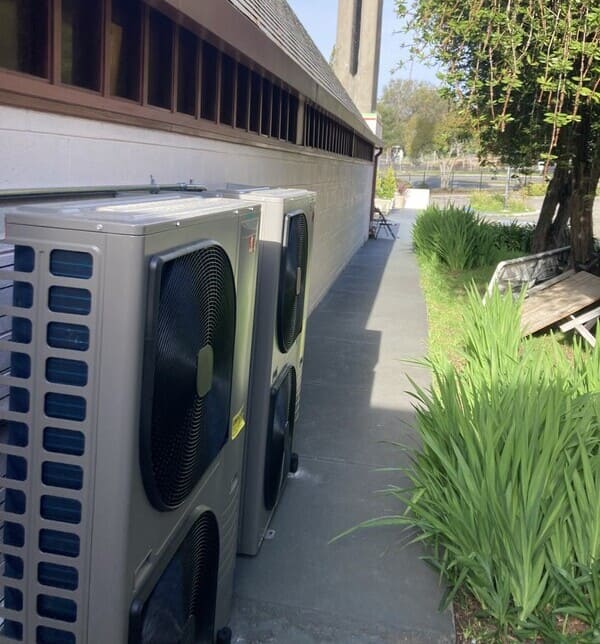
A ductless mini split is a heating and cooling system that does not rely on traditional ductwork. It uses an outdoor condenser connected to one or more indoor units, often called heads, that deliver conditioned air directly into specific rooms or zones.
This can make mini splits a strong option when central ductwork would be difficult, expensive, or disruptive to add. Many East Bay homeowners consider them for older homes, room additions, converted garages, ADUs, home offices, upstairs bedrooms, studios, and areas that never stay comfortable with the rest of the house.
A mini split is not automatically the best answer for every home. If you want whole-home comfort through existing ductwork, a central heat pump may make more sense. If the issue is isolated to one or two rooms, ductless may be the cleaner solution.
Why Do East Bay Homes Often Need Ductless Solutions?
Oakland, Berkeley, Alameda, Piedmont, Albany, El Cerrito, Richmond, and San Leandro all have homes with very different layouts. Many older East Bay homes were built before central air conditioning became common, which means they may have limited attic access, tight crawlspaces, plaster walls, older electrical panels, or no practical path for new ducts.
Marine air, fog influence, warm inland afternoons, wildfire smoke, and changing shoulder-season temperatures can also create comfort issues that do not affect every room equally. A bedroom on the sunny side of a Berkeley home may heat up differently than a lower-level room in Oakland or a garage conversion in Alameda.
That is where ductless systems can help. Instead of forcing one central system to solve every problem, mini splits let specific rooms receive their own heating and cooling control.
What Problems Can a Mini Split Solve?
Mini splits are often used when a homeowner has a specific comfort problem that a central system cannot easily fix. That might be a hot upstairs bedroom, a cold home office, a converted garage, an ADU, a sunroom, or a finished basement area that was never connected to the main system.
They can also help homes without ducts avoid major construction. Instead of opening walls or ceilings to install ductwork, a mini split uses refrigerant lines, communication wiring, and a condensate drain routed between the indoor unit and outdoor condenser.
For homeowners considering broader heating and cooling changes, our heat pump installation service can help compare ducted, ductless, and hybrid options.
How Many Indoor Units Do I Need?
The answer depends on how many areas need independent comfort. A single-zone mini split serves one space with one indoor unit. A multi-zone system connects multiple indoor units to one outdoor condenser, allowing different rooms to have separate temperature settings.
More zones are not always better. Too many indoor units can increase cost and complexity, while too few can leave rooms uneven. A good design looks at room size, insulation, windows, ceiling height, sun exposure, occupancy, and how doors are usually used.
In an older East Bay home, the best layout may not match the floor plan perfectly. Sometimes one well-placed indoor unit can serve an open area. In other cases, walls, stairways, and closed doors make separate zones necessary.
Where Should the Indoor Units Be Installed?
Indoor unit placement affects comfort, noise, airflow, and appearance. A mini split head should be positioned so air can move through the room without blowing directly on people, short-cycling against a nearby wall, or fighting furniture, shelving, or architectural features.
Placement also affects installation details. The technician needs to consider refrigerant line routing, condensate drainage, exterior appearance, wall structure, electrical access, and serviceability. In some East Bay homes, the most attractive location is not the best mechanical location.
Harry Clark evaluates these details before installation. The goal is a system that looks clean, runs quietly, drains properly, and delivers steady comfort without creating maintenance problems later.
Will a Mini Split Heat and Cool Efficiently?
Most modern ductless mini splits provide both heating and cooling. Many use inverter technology, which allows the compressor to adjust output instead of turning fully on and off all the time. That helps the system maintain steadier temperatures and use less energy when the load is lighter.
SEER2 helps compare cooling efficiency, while HSPF2 helps compare heating efficiency. These ratings matter, but real-world performance also depends on system sizing, installation quality, refrigerant charge, airflow, filter maintenance, and how the space is used.
Mini splits can be especially efficient when they are used to condition the rooms you actually occupy instead of running a larger central system for the entire home.
What Should Be Checked Before Installation?
Before recommending equipment, the contractor should evaluate the space, comfort goals, insulation, windows, electrical capacity, outdoor unit location, wall structure, drainage path, and whether the system will be single-zone or multi-zone.
Electrical planning is important. Mini splits require a properly installed circuit and disconnect. Condensate drainage also matters, especially when gravity drainage is difficult and a condensate pump may be needed. Poor drainage can lead to leaks, noise, or service issues.
System sizing is just as important. An oversized mini split may short-cycle and leave the room less comfortable. An undersized system may run constantly and struggle during warmer East Bay afternoons or cooler winter mornings.
Should I Choose Ductless or Central Air Conditioning?
Ductless mini splits and central air conditioning solve different problems. Central air conditioning can be a better fit when the home already has reliable ductwork and the goal is whole-home cooling through one system.
Ductless is often better when the home has no ducts, the project involves one problem area, or adding ductwork would be disruptive. It can also be useful when one room needs different comfort than the rest of the home.
If you are deciding between a ductless system and central cooling, our air conditioning installation service can help you compare whole-home cooling options.
Can a Mini Split Help Older Homes and ADUs?
Yes. Mini splits are often well suited for older East Bay homes because they can add comfort without requiring large duct runs through walls, attics, or crawlspaces. This can be helpful in older Oakland and Berkeley homes where preserving the structure and interior finishes matters.
They are also practical for ADUs and converted spaces. A garage apartment, backyard office, studio, or in-law unit may not be connected to the main home’s heating and cooling system. A mini split can give that space independent control without overloading the existing central system.
For homeowners in Oakland comparing local comfort upgrades, our heating and air conditioning services in Oakland page explains how we support a range of older and remodeled homes.
What Happens During Mini Split Installation?
The process starts with a review of the rooms you want to condition, how the space is used, and what has not worked with your current setup. The installer then evaluates wall locations, outdoor condenser placement, electrical needs, refrigerant line routing, and drainage.
During installation, the indoor unit is mounted, the outdoor condenser is placed, refrigerant lines and wiring are routed, the condensate drain is completed, and the system is connected and tested. For multi-zone systems, each indoor unit must be checked individually.
Startup should include checking refrigerant charge, condensate drainage, airflow, thermostat or remote operation, temperature performance, and heating and cooling modes. Before the visit is complete, you should understand how to operate the system and clean the filters.
How Can I Avoid Buying the Wrong Mini Split?
The best way to avoid the wrong system is to make sure the recommendation is tied to the room’s actual needs. If a contractor recommends a specific size, number of zones, indoor unit location, or outdoor condenser placement, the reason should be clear.
Common mistakes include oversizing the system, placing indoor units where airflow is blocked, ignoring drainage, installing too many zones on one outdoor unit, or overlooking electrical requirements. These problems can reduce comfort and make the system harder to maintain.
If you already have a ductless system that is not performing properly, our mini split repair in Berkeley service can help identify whether repair, maintenance, or replacement makes more sense.
How Do I Keep a Mini Split Working Well?
Mini splits need regular care because the indoor units move room air directly across filters and coils. Dust, pet hair, cooking particles, and wildfire smoke can restrict airflow and reduce performance if filters and coils are not kept clean.
Homeowners can usually clean washable filters, but deeper maintenance should include checking the evaporator coil, blower wheel, condensate drain, refrigerant performance, electrical components, and outdoor condenser condition.
Indoor air quality also matters. If your home deals with smoke, dust, allergens, or stale rooms, our indoor air quality services can help improve filtration and comfort alongside the ductless system.
Why Do East Bay Homeowners Call Harry Clark?
Harry Clark Heating & Air Conditioning is a licensed Oakland heating and cooling company serving residential and commercial customers throughout the East Bay. Homeowners call us for practical guidance, professional installation, and clear recommendations that fit the home rather than a one-size-fits-all sales pitch.
Ductless installation requires more than mounting equipment on a wall. It takes judgment about room load, airflow, line-set routing, drainage, electrical work, outdoor unit placement, noise, service access, and long-term maintenance.
Harry Clark installs Mitsubishi ductless mini split systems and helps homeowners compare ductless, central air conditioning, heat pump, and indoor comfort options with a calm, educational approach.
What Should I Do Next?
If you are considering ductless mini split installation in Oakland, Berkeley, Alameda, Piedmont, Albany, El Cerrito, Richmond, San Leandro, or another East Bay community, Harry Clark can help you understand your options.
Contact our team to request an estimate. We will review your space, explain your system choices, and recommend a ductless solution designed for efficient, reliable comfort.
What Else Do Homeowners Ask About Mini Split Installation?
How much does ductless mini split installation cost in the East Bay?
Cost depends on the number of indoor units, system size, electrical requirements, installation access, refrigerant line routing, drainage needs, and whether the project is single-zone or multi-zone. A custom estimate is the most accurate way to price the project.
Can a ductless mini split heat and cool the same room?
Yes. Most modern ductless mini splits provide both heating and cooling. They can cool during warm weather and provide efficient heat during mild East Bay winters.
Is a mini split good for an older Oakland or Berkeley home?
Yes, many older Oakland and Berkeley homes are good candidates because mini splits can add comfort without installing extensive ductwork. The home still needs proper sizing, electrical planning, drainage, and careful indoor unit placement.
How many rooms can one mini split system serve?
A single-zone system serves one area. A multi-zone system can serve multiple rooms with separate indoor units connected to one outdoor condenser. The right number of zones depends on the home layout and comfort goals.
How long does mini split installation take?
Many single-zone installations can be completed in about one day. Multi-zone systems, difficult access, electrical upgrades, or complex line routing can take longer.
What brand of ductless mini split does Harry Clark install?
Harry Clark installs Mitsubishi ductless mini split systems. The best model and layout depend on the space, comfort goals, heating and cooling load, and budget.
Get an estimate for
mini split installation