

Furnace Repair in Richmond, CA
A furnace that starts and stops without warming the house, delivers cool air, or develops a new rattling sound needs its operation checked before you decide what to repair. The cause could be inside the furnace, in the controls, or in the airflow carrying heat through the home. Understanding that distinction helps avoid a repair that leaves the original comfort problem unresolved.
Harry Clark Heating & Air Conditioning provides furnace repair in Richmond, CA, for residential heating problems involving ignition, blowers, thermostats, electrical components, safety controls, and air distribution. We consider the equipment’s condition and the symptoms you notice when evaluating the appropriate next step.
Call (510) 444-1960 or request a heating repair appointment. Tell us whether you have lost heat completely, the furnace works intermittently, or some rooms remain cold while others warm normally.
When a Heating Problem Needs Diagnosis
Not every change in furnace operation means a major component has failed. Thermostat settings, filter condition, blocked air pathways, and weather can influence performance. However, repeated shutdowns, persistent cool airflow, or a new decline in heating should be investigated rather than managed by continually raising the thermostat.
A useful diagnosis establishes whether the furnace receives the call for heat, completes startup, produces heat, and distributes enough warm air. A system that never starts presents a different problem from one that heats briefly and shuts down. Describe that sequence as clearly as you can without opening the equipment.
Common Furnace Problems We Investigate
The Furnace Will Not Turn On
A no-start complaint can involve the thermostat, electrical supply, wiring, controls, or a required operating condition. Some furnaces attempt startup but stop before ignition. Note whether you hear a fan, clicking, or other activity when the thermostat requests heating. Those observations can help focus testing.
The Furnace Runs but the Air Stays Cool
A short delay before warm air reaches the vents can occur during startup. Continued cool airflow while the home falls below the thermostat setting is different. The blower may be running between heating cycles, or an ignition, burner, or control problem may prevent heat production. Testing should establish what happens during a call for heat.
The Furnace Keeps Shutting Down
Repeated short heating cycles may involve restricted airflow, overheating, thermostat placement, or another control response. A safety device may be stopping operation because a condition requires attention. Resetting the system repeatedly does not correct that cause and should not replace professional diagnosis.
Airflow Is Weak or Rooms Heat Unevenly
A loaded filter, blower problem, blocked return grille, or duct restriction can limit heat delivery. If every room is affected, the equipment or main air pathways may need closer attention. If one room remains cold, its ductwork, return-air provisions, insulation, or exposure may be part of the problem.
The Furnace Makes Unusual Sounds
Rattling, squealing, grinding, scraping, or banging can come from different components. Tell us whether the sound occurs during startup, while the burners operate, or as the blower runs. A noise at a register may involve airflow, while a mechanical sound inside the furnace needs a different evaluation.
Heating Performance Changes from Cycle to Cycle
Intermittent faults may involve controls, connections, sensors, or changing operating conditions. Record when the problem happens and whether the furnace produces heat before stopping. A visible thermostat message and recent service history can also help when the symptom does not occur continuously during the appointment.
What Happens During a Furnace Repair Visit?
The visit begins with the complaint you want resolved. Useful details include when the problem started, how often it happens, which rooms are affected, and whether a filter change, thermostat adjustment, or remodeling project came before it. The technician can use those observations alongside the equipment’s design and condition.
Depending on the system and symptoms, diagnostic checks may include:
- Confirming the thermostat request for heat and the furnace’s response.
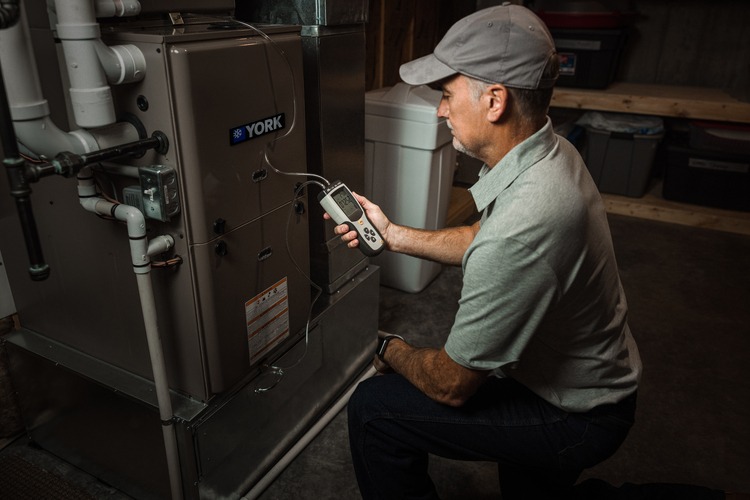
- Observing startup, ignition, heating, blower operation, and shutdown.
- Checking filter condition and accessible supply and return-air pathways.
- Evaluating relevant electrical connections and operating components.
- Checking ignition and flame-sensing operation on a gas furnace.
- Investigating safety-control responses and venting concerns.
- Checking operation after the recommended repair.
The findings should explain what is wrong, what the proposed work addresses, and whether another condition contributed. A component repair and a duct correction may be separate tasks. Ask how each relates to the symptom before authorizing additional work.
Heating Repair for Richmond Homes
Richmond homes differ in age, layout, exposure, and heating-system configuration. Older properties in Point Richmond, homes in the Richmond Annex, and hillside residences in East Richmond Heights can have different access and air-distribution considerations. The neighborhood provides context, but the condition of the individual home determines what needs attention.
Bay exposure, shaded rooms, and cool mornings or evenings can make uneven heating noticeable. A room with more drafts or less insulation may remain uncomfortable even when the furnace produces heat normally. Thermostat location can add another difference if the control is in a room that warms faster than the rest of the house.
Remodeling also matters. An added bedroom or converted area may depend on ductwork designed for an earlier floor plan. Mention those changes during service so an equipment fault can be distinguished from a longstanding distribution limitation.
Our heating and air conditioning services address related comfort concerns when the findings point beyond the furnace cabinet. Replacing a furnace part does not automatically correct every cold room.
Safe Observations Before Calling
For an ordinary heating complaint without a suspected safety concern, confirm that the thermostat is set to heat and its temperature setting is above the room temperature. Check the battery indication if applicable. Review the filter according to the equipment instructions and make sure accessible registers and return grilles are clear of furniture and rugs.
Note any visible message without opening the furnace. Leave wiring, burner adjustments, gas components, internal cleaning, and safety-control testing to a qualified technician. Do not bypass a safety switch or repeatedly reset a system that shuts down.
If you smell gas or a carbon monoxide alarm activates, leave the home and contact the gas utility or emergency responders from outside. Those situations require immediate attention rather than routine troubleshooting.
What Affects Repair Cost and Completion Time?
The equipment design, failed component, access, diagnostic work, and required parts affect repair cost. A thermostat issue, blower failure, and damaged duct involve different work. An intermittent fault may also take more investigation than a component that has stopped functioning completely.
Ask what the diagnostic appointment includes and how the proposed repair will be priced. Discuss parts availability, any applicable warranty coverage, and whether separate work would change the scope. Understanding the immediate repair and additional recommendations helps you decide what to authorize.
Completion time depends on the findings and required parts. Some repairs can be completed during the visit; others need a return appointment. Describe a complete loss of heat when requesting service so the scheduling team understands the situation.
Repairing an Older Furnace or Considering Replacement
An older furnace may remain a practical repair candidate when the fault is isolated, suitable parts are available, and the remaining equipment is in acceptable condition. Age should be considered alongside safety findings, repair history, overall condition, and heating performance rather than used as the only reason to replace it.
Replacement may deserve discussion when failures recur, a major component has failed, or the equipment no longer meets the home’s needs. If that is the appropriate next step, furnace installation and replacement should account for heating demand, ductwork, controls, airflow, and startup testing.
Ask what a repair would restore and which concerns would remain. A replacement proposal should explain how it addresses those concerns rather than assuming new equipment will solve every airflow or insulation problem.
Preventive Heating Care After Repair
Repair investigates an active fault. Preventive furnace maintenance reviews equipment condition and operation once that fault is resolved. Depending on the system, service can address cleaning needs, airflow restrictions, controls, and operating changes that deserve attention.
Follow the manufacturer’s instructions for filter care, keep air pathways clear, and report new sounds or startup changes. Maintenance supports ongoing care but cannot prevent every failure, guarantee a particular service life, or ensure lower heating bills.
Schedule Furnace Repair with Harry Clark
Harry Clark Heating & Air Conditioning works with furnaces, thermostats, ductwork, and related heating and cooling equipment. That range is useful when a heating complaint involves both equipment operation and the delivery of warm air throughout the home.
Call (510) 444-1960 or contact Harry Clark to arrange furnace repair in Richmond, CA. Share the symptoms, affected rooms, and recent changes so the appointment focuses on the heating problem you need resolved.
Furnace Repair Questions
Why does my furnace turn on but stop before the house warms?
The cause may involve restricted airflow, overheating, ignition, or another control response. Observing where the heating sequence stops helps guide diagnosis. Avoid repeatedly resetting the equipment while the cause remains unresolved.
Can weak airflow be repaired without replacing the furnace?
Often, depending on the cause. A filter restriction, blocked return, blower fault, or duct problem may require a targeted correction. Diagnosis should determine whether the limitation is in the equipment or the distribution system.
Does furnace age determine whether repair is worthwhile?
No. Age is one consideration alongside safety findings, condition, repair history, parts availability, and performance. An isolated fault may be repairable, while repeated failures or a major component problem may justify replacement planning.
How can I help explain an intermittent heating problem?
Note when it occurs, whether the furnace starts, whether warm air appears, and any visible thermostat message. Mention recent changes and previous repairs. Those details can help when the symptom is not continuous during the visit.
Is preventive maintenance the same as furnace repair?
No. Maintenance reviews an operating system and supports preventive care. Repair investigates an active fault such as no heat, repeated shutdowns, or unusual noise. Describe the symptom when requesting an appointment.
Schedule Furnace Repair


 Trustindex verifies that the original source of the review is Google.
 Trustindex verifies that the original source of the review is Google.
 Trustindex verifies that the original source of the review is Google.
 Trustindex verifies that the original source of the review is Google.

 Trustindex verifies that the original source of the review is Google.
 Trustindex verifies that the original source of the review is Google.
 Trustindex verifies that the original source of the review is Google.