

Furnace Repair in San Leandro, CA
A furnace problem can appear suddenly, but the cause is not always obvious. The thermostat may call for heat while the equipment does not start. The furnace may run without warming the rooms, shut down before completing a cycle, or produce a sound that was not present before. Those symptoms point to a need for diagnosis rather than a guess based on one visible component.
Harry Clark Heating & Air Conditioning provides furnace repair in San Leandro, CA, for residential and commercial properties. The goal of a repair visit is to identify what is preventing normal operation, explain the findings, and determine which next step fits the equipment and the property.
For help with other heating and cooling needs, visit Harry Clark’s guide to heating and air conditioning services in San Leandro.
When Should You Request Furnace Repair?
A complete loss of heat clearly requires attention, but furnaces can show less dramatic signs before they stop operating. Changes in airflow, temperature, cycling, sound, or thermostat response can all indicate that the system needs to be evaluated.
Consider requesting furnace repair if you notice:
- The furnace does not start when the thermostat calls for heat
- Air from the vents remains cool or only slightly warm
- The system starts and stops more frequently than usual
- Airflow feels weak at several supply vents
- Some rooms remain much cooler than others
- The blower operates but the heating cycle does not begin
- The furnace makes a new rattling, buzzing, grinding, or squealing sound
- The thermostat setting and indoor temperature do not appear to agree
- The furnace runs for a long time without improving comfort
One symptom can have several possible causes. Weak airflow may relate to filtration, blower performance, duct restrictions, or return-air limitations. Frequent cycling may involve controls, airflow, temperature limits, or another operating condition. Diagnosis is important because replacing the first suspected part may not correct the underlying problem.
What Does Furnace Diagnosis Consider?
A useful furnace diagnosis begins with what you have observed. When did the problem begin? Is it constant or intermittent? Does it affect the entire building or only certain rooms? Did the issue follow a thermostat change, filter replacement, remodel, power interruption, or other event?
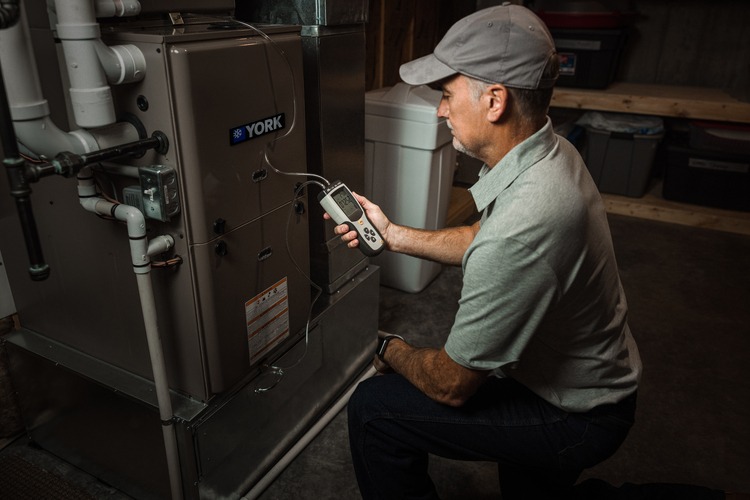
The technician can then focus testing on the systems connected to the complaint. Depending on the furnace and symptoms, that may involve the thermostat call, startup sequence, operating controls, electrical components, airflow, filtration, blower operation, safety devices, venting, and accessible furnace components.
Not every repair visit requires the same tests, and this is not a universal company checklist. The equipment design and the reported symptoms determine what needs attention. The important outcome is a diagnosis that connects the observed problem to a specific condition rather than relying on assumptions.
Why Did the Furnace Stop Producing Heat?
A no-heat condition does not automatically mean the entire furnace has failed. The problem may involve the thermostat, power supply, startup controls, ignition sequence, airflow, blower operation, a safety response, or another component needed for the heating cycle.
Homeowners can confirm that the thermostat is set to heat and that an obviously restricted filter is not blocking airflow. Avoid opening equipment panels, bypassing controls, or repeatedly resetting a furnace that will not remain on. Those actions can obscure the original symptom or create an additional concern.
When requesting service, describe what the furnace does after the thermostat setting is raised. For example, note whether the equipment remains silent, starts briefly and stops, runs the blower without warm air, or completes a cycle without reaching the requested temperature. This information can make the diagnostic process more focused.
What Can Cause Uneven Heating or Weak Airflow?
The furnace is only one part of the heating system. Supply ducts move heated air into rooms, return ducts bring air back to the equipment, and the building itself affects how quickly heat is lost. A furnace can operate while the property remains uncomfortable if airflow or distribution is limited.
San Leandro includes older homes, remodeled properties, additions, multifamily buildings, and newer construction. In a modified home, an added room or changed floor plan may not have been included in the original airflow design. Ducts may also be restricted, damaged, poorly insulated, or unable to deliver enough air to distant rooms.
Room location matters as well. Window area, sun exposure, insulation, air leakage, and the position of supply and return vents can create noticeable temperature differences. Repair should therefore distinguish an equipment failure from a broader airflow or building problem. Installing a larger furnace will not automatically correct inadequate ducts or uneven distribution.
What Do New Furnace Sounds Mean?
Furnaces normally make some sound as they start, operate, and stop. A sound deserves attention when it is new, louder than usual, repeated during every cycle, or accompanied by reduced heating performance.
Rattling may come from a loose or vibrating component. Buzzing can be associated with electrical or operating parts. Grinding or squealing may indicate that a moving component needs evaluation. A sudden bang or repeated startup noise can point to a different part of the operating sequence.
A written or recorded description can be helpful, especially if the sound is intermittent. Note when it occurs: at startup, while the blower is running, or as the furnace shuts down. Do not remove access panels or reach into operating equipment to locate the sound.
Furnace Repair Versus Routine Maintenance
Repair and maintenance serve different purposes. Repair is appropriate when the furnace has an active malfunction or a clear change in performance. Maintenance is intended to evaluate and prepare equipment that is generally operating.
If the furnace is working but has not been evaluated recently, Harry Clark also provides furnace maintenance throughout Oakland and the East Bay. Maintenance may identify developing wear or operating concerns, but it cannot guarantee that a future component failure will never occur.
When scheduling, explain whether the furnace is currently producing heat and describe any active symptoms. That helps distinguish a maintenance request from a diagnostic repair need.
Should the Furnace Be Repaired or Replaced?
Equipment age is relevant, but it should not make the decision by itself. An older furnace with an isolated and repairable failure may still have useful service life. A newer furnace can also be a poor candidate for repeated repairs if installation, airflow, or control problems remain unresolved.
A balanced decision considers:
- The cause and scope of the current problem
- The furnace’s recent repair history
- Whether the failure is isolated or part of a recurring pattern
- Current comfort, airflow, noise, and operating performance
- The condition and capacity of the duct system
- Changes made to the property since the furnace was installed
- The owner’s plans for the building and heating system
If replacement deserves consideration, learn about furnace installation in San Leandro. A replacement plan should account for the property’s current heating needs instead of automatically repeating the size or configuration of the old equipment.
Property owners comparing a larger equipment change can also review Harry Clark’s furnace replacement information. Diagnosis should come before the decision so that a new system is not expected to solve a problem caused by ducts, controls, insulation, or another part of the building.
How to Prepare for a Furnace Repair Appointment
Before the visit, write down what the furnace is doing and when the problem occurs. Note the thermostat setting, which rooms are affected, whether airflow has changed, and whether the system displays any message or indicator. If the problem comes and goes, include how often it happens and what seems to trigger it.
Information about recent repairs, maintenance, thermostat work, filter changes, remodeling, or duct modifications can provide helpful context. When practical, keep the area around the furnace accessible. Do not disassemble the equipment or bypass a control in an attempt to reproduce the failure.
Frequently Asked Questions About Furnace Repair
Why is my furnace running but not warming the house?
The cause may involve the heating cycle, airflow, thermostat response, blower performance, duct distribution, or another operating condition. Testing is needed to separate a furnace problem from an airflow or building-related concern.
Why does my furnace turn on and off frequently?
Frequent cycling can have several causes, including airflow restrictions, control issues, temperature-limit responses, thermostat conditions, or equipment sizing. The operating sequence should be evaluated before a specific repair is recommended.
Does an unusual noise mean the furnace must be replaced?
No. A new sound indicates that the furnace should be evaluated, but it does not automatically mean replacement is necessary. The source, severity, repair history, and overall condition of the equipment all matter.
Can furnace maintenance correct an active no-heat problem?
A furnace that is not producing heat or repeatedly shuts down generally needs diagnostic repair. Maintenance is better suited to equipment that is operating and being prepared for continued seasonal use.
How long will furnace repair take?
There is no single repair time that applies to every problem. The duration depends on the symptom, equipment access, testing required, the cause of the failure, and the work authorized after diagnosis.
Request Furnace Repair in San Leandro
Harry Clark Heating & Air Conditioning helps San Leandro homeowners and businesses understand furnace problems and compare sensible next steps. Describe the symptoms you have noticed when requesting service so the visit can begin with clear information about the problem.
Request furnace repair service for your San Leandro property.
Schedule Furnace Repair


 Trustindex verifies that the original source of the review is Google.
 Trustindex verifies that the original source of the review is Google.
 Trustindex verifies that the original source of the review is Google.
 Trustindex verifies that the original source of the review is Google.

 Trustindex verifies that the original source of the review is Google.
 Trustindex verifies that the original source of the review is Google.
 Trustindex verifies that the original source of the review is Google.