

Heat Pump Repair in Oakland, CA
A heat pump that is running but not heating or cooling properly needs more than a quick parts replacement. Because the same system provides both heating and cooling, problems can involve airflow, electrical components, refrigerant performance, controls, coils, the reversing valve, defrost operation, or the indoor and outdoor equipment.
Harry Clark Heating & Air Conditioning provides professional heat pump repair in Oakland, CA, with a focus on identifying the cause of the problem before recommending a repair. Whether your heat pump will not start, is producing the wrong temperature air, has stopped switching between heating and cooling, or simply is not keeping the home comfortable, we can evaluate the system and explain what we find.
Heat Pump Repair for Oakland Homes
Heat pumps are increasingly relevant for Oakland homeowners because one system can provide both heating and cooling. That year-round operation also means a performance problem can affect comfort during either season.
As part of the heating and air conditioning services we provide in Oakland, heat pump repair requires looking at the complete system rather than treating every problem as a heating failure or cooling failure alone.
Oakland homes can also present very different HVAC conditions. Older properties may have duct systems that have been modified over many years, while remodeled homes and additions can have different heating and cooling requirements from the original structure. Hillside properties, multi-story homes, sun exposure, insulation, and airflow can further influence how well a heat pump maintains comfort.
Signs Your Heat Pump May Need Repair
Some heat pump problems cause the system to stop completely, but others begin as changes in operation or comfort. Recognizing those changes early can help prevent a developing problem from becoming a more disruptive failure.
Common signs that a heat pump should be evaluated include:
- The heat pump will not turn on
- The system runs but does not change the indoor temperature
- Air from the vents is unexpectedly warm during cooling
- The system does not provide adequate heat
- The heat pump will not switch between heating and cooling
- Airflow from the vents has become weak
- The system starts and stops unusually often
- The outdoor unit develops excessive ice
- The equipment makes new or unusual noises
- The system runs much longer than it used to
- Some rooms have become noticeably harder to heat or cool
- Energy use increases without an obvious change in how the system is being used
These symptoms do not identify a specific failed component by themselves. Several different heat pump problems can produce similar behavior, which is why diagnosis should come before deciding what needs to be repaired.
Heat Pump Running but Not Heating or Cooling?
A heat pump can appear to be operating normally while failing to provide enough heating or cooling. The thermostat may be calling for operation, the indoor blower may be running, and air may be moving through the vents, yet the home does not reach the desired temperature.
Possible causes can include airflow restrictions, thermostat or control problems, dirty coils, refrigerant-related conditions, electrical component failures, outdoor-unit problems, or other issues affecting the refrigeration cycle.
The problem can also involve the home rather than one failed heat pump component. Duct leakage, inadequate airflow, insulation, equipment sizing, and changes to the property can influence how effectively conditioned air reaches individual rooms.
If the heat pump previously maintained comfortable temperatures and its performance has noticeably changed, that change is useful diagnostic information.
Heat Pump Will Not Switch Between Heating and Cooling
One of the important differences between a heat pump and a conventional air conditioner is its ability to reverse the refrigeration cycle. That allows the equipment to provide cooling during warmer weather and heating when temperatures drop.
If the system operates in one mode but will not change correctly to the other, the problem may involve the thermostat, controls, reversing operation, electrical components, or another part of the system responsible for changing modes.
This type of problem should be diagnosed rather than assuming the heat pump itself has reached the end of its service life. Depending on the cause and overall equipment condition, repair may be a practical solution.
Weak Airflow and Uneven Comfort
A heat pump depends on adequate airflow in both heating and cooling modes. When airflow becomes restricted, the system may run longer, deliver less conditioned air to distant rooms, or struggle to maintain the thermostat setting.
Potential airflow problems can involve filters, blower components, coils, duct leakage, return-air restrictions, dampers, or other parts of the air-distribution system.
This can be particularly important in older Oakland homes where ductwork may have been installed or modified at different times. Additions and remodeled spaces can also create comfort problems when the existing duct system was never designed to serve the changed floor plan.
Repairing a mechanical component may restore heat pump operation, but persistent room-to-room temperature differences can justify looking more closely at airflow and distribution as part of the diagnosis.
Heat Pump Short Cycling
A heat pump that repeatedly starts and stops after short operating periods may be short cycling. Frequent cycling can reduce comfort and increase wear on electrical and mechanical components.
Short cycling can be associated with thermostat or control problems, airflow restrictions, electrical issues, refrigerant performance, equipment sizing, or other operating conditions.
Because several different issues can produce similar cycling behavior, the important question is not simply how often the equipment starts. The system needs to be evaluated to determine what is causing the abnormal operation.
Ice on the Outdoor Heat Pump
Some frost on an outdoor heat pump can occur during heating operation. Heat pumps are designed to manage normal frost accumulation through a defrost cycle.
Heavy ice that continues to build, does not clear appropriately, or interferes with normal operation can indicate a problem. Possible causes can involve defrost controls, sensors, airflow, coil condition, refrigerant performance, or other system components.
It is important to distinguish normal winter frost from abnormal icing before deciding that the equipment needs repair. A technician can evaluate how the system is operating and whether the defrost process is functioning correctly.
Electrical and Control Problems
Heat pumps rely on electrical components and controls to coordinate the indoor unit, outdoor unit, thermostat, compressor, fans, and other system functions. A failure in one part of that sequence can prevent the heat pump from starting, cause intermittent operation, or allow some components to run while others do not.
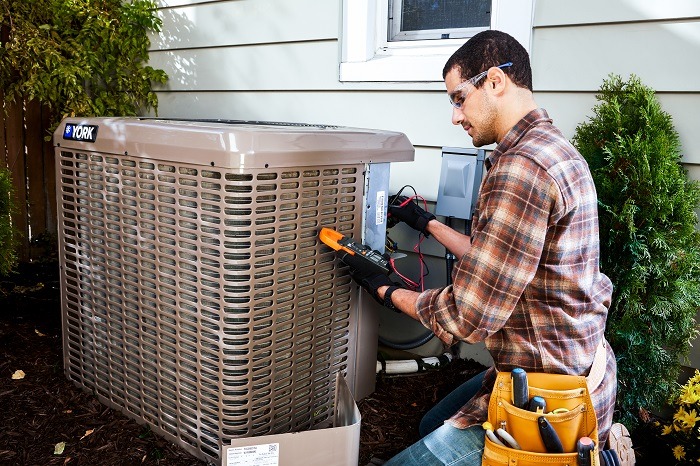
Problems can involve capacitors, contactors, relays, motors, control boards, sensors, wiring, safety devices, thermostats, or electrical connections. Symptoms may include buzzing or clicking, repeated attempts to start, an outdoor unit that does not operate, or a system that shuts down unexpectedly.
Replacing a failed component may restore operation, but diagnosis should also consider whether another condition contributed to the failure. Electrical parts can sometimes fail because of age and normal wear, while in other situations the failure may be connected to a motor, compressor, control, or operating problem elsewhere in the system.
Refrigerant and Coil Problems
Heat pumps use refrigerant to transfer heat in both operating modes. During cooling, the system moves heat from inside the home to the outdoors. During heating, the refrigeration cycle operates in the opposite direction to transfer heat into the home.
When refrigerant performance is abnormal, the heat pump may lose heating or cooling capacity, run for extended periods, develop icing problems, or fail to maintain the thermostat setting.
Refrigerant-related symptoms can resemble problems caused by restricted airflow, dirty coils, controls, sensors, or other components. For that reason, refrigerant should be evaluated as part of the overall system rather than assuming that poor performance automatically means the system simply needs more refrigerant.
If refrigerant has been lost from a sealed system, the condition of the equipment and the possible source of that loss should be considered before determining the appropriate repair.
Reversing Valve and Mode-Change Problems
The ability to provide both heating and cooling depends on the heat pump changing the direction of the refrigeration cycle. When that process does not occur correctly, homeowners may notice that the equipment works in one mode but not the other.
A system that will cool but not heat—or heat but not cool—does not automatically mean the reversing valve itself has failed. Thermostat signals, wiring, controls, electrical components, and other operating conditions can produce similar symptoms.
Proper diagnosis is especially important before recommending a major component repair because the technician needs to determine whether the problem is with the valve, the controls operating it, or another part of the system.
Defrost Problems During Heating Operation
When a heat pump operates in heating mode, the outdoor coil can become cold enough for frost to develop. The system periodically enters a defrost cycle to remove normal frost and maintain proper operation.
If defrost operation is not working correctly, ice can continue accumulating on the outdoor coil. That can restrict airflow through the coil and interfere with the system’s ability to transfer heat.
Defrost problems can involve sensors, controls, electrical components, coil conditions, or other system issues. Because a light layer of frost can be normal under certain conditions, the amount of ice and the way the equipment is operating both matter when determining whether there is actually a problem.
Unusual Heat Pump Noises
Heat pumps make normal operating sounds as compressors, fans, motors, and refrigerant move through the system. A new or significantly different sound, however, can indicate that something has changed.
Buzzing, rattling, clicking, grinding, squealing, or other unusual noises can be associated with electrical components, motors, fans, bearings, loose parts, refrigerant movement, or mechanical problems.
The type of sound, where it originates, and when it occurs can all provide useful diagnostic information. A noise that appears only during startup may have a different cause from one that continues throughout the operating cycle.
What Happens During a Heat Pump Repair Visit?
Heat pump diagnosis starts with understanding what the homeowner has noticed. Knowing whether the problem occurs during heating, cooling, both modes, startup, or certain weather conditions can help narrow the investigation.
Depending on the symptoms and system configuration, a heat pump repair visit may include:
- Reviewing thermostat settings and operation
- Checking heating and cooling mode operation
- Evaluating indoor and outdoor equipment
- Inspecting electrical components and controls
- Checking blower and fan operation
- Evaluating airflow through the system
- Examining accessible coil conditions
- Checking refrigerant performance when appropriate
- Evaluating reversing and defrost operation when relevant
- Looking for signs of overheating, abnormal wear, or component failure
Once the cause of the problem has been identified, Harry Clark Heating & Air Conditioning can explain what was found and discuss the appropriate repair options.
Should You Repair or Replace Your Heat Pump?
A heat pump problem does not automatically mean the equipment needs to be replaced. Many electrical, control, airflow, motor, and other component problems can be repaired when the remainder of the system is in reasonable condition.
The decision becomes more complicated when an older heat pump requires a substantial repair or has experienced repeated problems. In those situations, it can make sense to compare the cost and expected benefit of the repair with the longer-term value of replacing the equipment.
Factors worth considering include:
- Age and overall condition of the heat pump
- Cause and cost of the current repair
- Previous repair history
- Condition of the compressor and other major components
- Heating and cooling performance before the failure
- Energy use and efficiency
- Condition of the ductwork and airflow
- Whether the existing system is appropriately sized for the home
- Your plans for the property
If replacement becomes the more practical choice, Harry Clark can help you evaluate heat pump installation options based on the home’s heating and cooling requirements rather than simply replacing the existing equipment with another system of the same size.
Heat Pump Repair for Oakland’s Climate
Oakland’s generally moderate climate is well suited to heat pump technology, but conditions can vary considerably across the city. Homes closer to the Bay may experience stronger marine influence, while neighborhoods farther inland or at higher elevations can experience different temperatures, sun exposure, and heating and cooling demands.
Because a heat pump operates throughout the year, a performance problem may first become noticeable when outdoor conditions place greater demand on the system. Equipment that seems adequate during mild weather may struggle during warmer afternoons or colder periods if airflow, refrigerant performance, controls, or other components are not operating correctly.
The home itself also matters. Oakland includes older houses, newer construction, hillside properties, remodeled homes, additions, and buildings where HVAC systems have been modified over time. When a heat pump is not maintaining comfort, those conditions should be considered along with the equipment.
Repairing the Heat Pump vs. Solving a Comfort Problem
There is an important difference between a heat pump that has developed a new mechanical problem and a home that has never heated or cooled evenly.
If the system previously kept the home comfortable and suddenly stopped performing correctly, a component or operating problem may be responsible. If one bedroom, upper floor, addition, or other area has always been uncomfortable, ductwork, airflow, insulation, sun exposure, or system design may also be contributing.
Recognizing that difference helps avoid replacing parts that will not solve the underlying comfort problem. A good diagnosis should consider both what the heat pump is doing and how conditioned air is being delivered throughout the home.
Why Oakland Homeowners Choose Harry Clark
Heat pump repair requires understanding how the entire system is operating in both heating and cooling modes. Harry Clark Heating & Air Conditioning takes a diagnostic approach so the repair recommendation is based on the actual cause of the problem rather than the symptom alone.
Depending on what the system is doing, that may mean evaluating electrical components, controls, airflow, coils, refrigerant performance, reversing operation, defrost controls, ductwork, and the condition of the indoor and outdoor equipment.
Our experience working in Oakland and throughout the East Bay also helps us account for the variety of homes and HVAC configurations found throughout the area. Older duct systems, additions, remodeling, multi-story layouts, hillside properties, and changing heating and cooling demands can all affect system performance.
Once the problem has been identified, we explain what we found and discuss the appropriate options. If a practical repair can restore reliable operation, we can recommend it. If the age or condition of the equipment makes replacement worth considering, we can explain the factors behind that recommendation as well.
When Should You Schedule Heat Pump Repair?
A complete breakdown is not the only reason to have a heat pump evaluated. Changes in performance can provide an early indication that something is no longer operating correctly.
Consider scheduling heat pump service if you notice:
- A noticeable decline in heating or cooling performance
- Longer operating cycles without reaching the thermostat setting
- Frequent starting and stopping
- Weak or inconsistent airflow
- Unusual noises during operation
- Difficulty switching between heating and cooling
- Abnormal ice accumulation on the outdoor unit
- Unexpected increases in energy use
Problems involving burning odors, repeated breaker trips, severe mechanical noises, or equipment that repeatedly attempts to start without operating normally should be addressed promptly rather than repeatedly restarting the system.
Schedule Heat Pump Repair in Oakland, CA
If your heat pump is not heating or cooling properly, will not change modes, is short cycling, developing excessive ice, making unusual noises, or has stopped operating, Harry Clark Heating & Air Conditioning can help determine what is causing the problem.
Call (510) 444-1960 or contact Harry Clark Heating & Air Conditioning to schedule heat pump repair in Oakland, CA.
Heat Pump Repair FAQs
Why is my heat pump running but not heating or cooling?
A heat pump can run without changing the indoor temperature adequately because of airflow restrictions, thermostat or control problems, dirty coils, electrical failures, refrigerant-related conditions, or problems with the indoor or outdoor equipment. Diagnosis is necessary because several different issues can produce similar symptoms.
Why won’t my heat pump switch from cooling to heating?
A heat pump that operates in one mode but not the other can have a problem involving the thermostat, wiring, controls, reversing operation, electrical components, or another part of the system. The reversing valve should not automatically be assumed to be the problem until the system has been diagnosed.
Is ice on an Oakland heat pump normal?
A small amount of frost can occur on an outdoor heat pump during heating operation, and the system normally uses a defrost cycle to remove it. Heavy ice that continues accumulating or does not clear properly can indicate a problem with defrost operation, airflow, coil condition, sensors, controls, refrigerant performance, or another system component.
Why does my heat pump keep turning on and off?
Frequent starting and stopping can be related to thermostat or control problems, restricted airflow, electrical components, refrigerant performance, equipment sizing, or other operating conditions. The cause should be identified because repeated short cycling can increase wear and reduce comfort.
Can ductwork make it seem like my heat pump is failing?
Yes. Leaking, restricted, disconnected, or poorly configured ductwork can reduce airflow and create uneven temperatures even when the heat pump itself is operating. Ductwork is particularly worth considering when certain areas of the home have always been harder to heat or cool.
Should I repair or replace an older heat pump?
The decision depends on the age and overall condition of the equipment, the cost and cause of the current repair, previous breakdowns, heating and cooling performance, efficiency, and the condition of major components. An older heat pump with an isolated repair may still provide useful service, while repeated or substantial repairs can make replacement more practical.
Do heat pumps need different repairs than conventional air conditioners?
Heat pumps share many components with conventional air conditioning systems, but they also provide heating by reversing the refrigeration cycle. That means diagnosis may also involve reversing operation, defrost controls, sensors, and other components associated with heating mode.
What should I check before calling for heat pump repair?
Confirm that the thermostat is set to the correct mode and temperature, check whether the air filter is heavily restricted, and make sure the system has power. If the equipment repeatedly trips a breaker, produces a burning odor, develops severe icing, or makes significant mechanical noises, avoid repeatedly restarting it and have the system evaluated.
Schedule heat pump repair