

Air Conditioning Installation in Alameda, CA
Choosing a new air conditioner is about more than replacing old equipment. The new system needs to match your home’s cooling requirements, ductwork, airflow, electrical capacity, and the way different rooms respond during warmer weather.
Harry Clark Heating & Air Conditioning provides professional air conditioning installation in Alameda, CA, for homeowners replacing aging equipment, dealing with an unreliable cooling system, or adding central cooling to a home that needs a better comfort solution.
We evaluate the home and existing HVAC system before recommending equipment. The goal is to install an air conditioner that is appropriately sized, properly configured, and capable of providing dependable comfort without relying on a one-size-fits-all replacement approach.
Air Conditioning Installation for Alameda Homes
Air conditioning installation is one part of the heating and air conditioning services we provide in Alameda, but replacing a cooling system requires its own careful evaluation.
Many Alameda homes have characteristics that can affect AC performance. Older construction, additions, remodeled spaces, existing duct systems, limited equipment locations, insulation, sun exposure, and differences between upstairs and downstairs rooms can all influence how much cooling a home needs and how effectively conditioned air reaches each space.
A new air conditioner cannot correct every problem simply by being newer or more efficient. If airflow or ductwork is contributing to uncomfortable rooms, those conditions should be identified before new equipment is selected.
When Should You Consider Replacing Your Air Conditioner?
An air conditioner does not necessarily need to be replaced because it develops a problem. Many systems can continue providing reliable service after an appropriate repair. Replacement becomes more reasonable when the condition of the equipment, repair history, comfort problems, or expected future costs make continued repairs less practical.
It may be time to consider AC replacement when:
- The system needs increasingly frequent repairs
- A major component has failed or is deteriorating
- The air conditioner struggles to maintain comfortable temperatures
- Some rooms remain consistently warmer than others
- The equipment runs for long periods without providing adequate cooling
- Cooling costs have increased as system performance has declined
- The existing equipment is noisy or operating inconsistently
- The system no longer fits the home’s cooling requirements
- You are planning other HVAC improvements and want to evaluate the system as a whole
Age matters, but it should not be the only reason to replace an air conditioner. The condition of the equipment and the nature of the current problem matter too.
If your existing system is still potentially repairable, our air conditioning repair in Alameda service can help determine what is wrong before you decide whether replacement makes more sense.
Repair or Replace? Making a Practical Decision
Homeowners are sometimes told that an older air conditioner should automatically be replaced. We prefer to look at the complete situation.
A repair may make sense when the problem is isolated, the equipment has otherwise been reliable, major components remain in reasonable condition, and the cost of restoring operation is appropriate for the age and condition of the system.
Replacement deserves stronger consideration when repairs are becoming frequent, the current repair is substantial, comfort has been declining, or other components are likely to require additional investment soon.
Your plans for the home also matter. A homeowner planning to remain in the property for many years may evaluate efficiency, comfort, and long-term reliability differently than someone with shorter-term plans.
Our role is to explain what we see so you can compare the options based on the actual condition of the system rather than pressure or guesswork.
Choosing the Right Air Conditioner for Your Alameda Home
The largest air conditioner is not necessarily the best air conditioner. Equipment capacity needs to correspond to the home’s cooling requirements.
Before recommending a system, relevant factors can include:
- Home size and layout
- Insulation and building construction
- Window size, orientation, and sun exposure
- Existing ductwork and airflow
- Number of floors and room configuration
- Existing indoor and outdoor equipment locations
- Electrical requirements
- Thermostat and control strategy
- Homeowner comfort and efficiency priorities
Looking at these factors before equipment selection helps us recommend an air conditioning system that makes sense for the individual property.
Why Proper AC Sizing Matters
Oversizing an air conditioner does not guarantee better comfort. A system with more capacity than the home requires may satisfy the thermostat quickly and shut down, resulting in shorter operating cycles and less consistent comfort.
An undersized system can have the opposite problem. It may operate for extended periods and still struggle to maintain the desired indoor temperature when cooling demand increases.
Proper sizing helps the equipment operate as part of a balanced system. That can support more consistent temperatures, appropriate operating cycles, better efficiency, and reliable performance during warmer Alameda weather.
Replacing an old air conditioner with equipment of the same nominal size is not always enough. Changes to windows, insulation, additions, remodeling, ductwork, or the way the home is used can affect cooling requirements over time.
Ductwork and Airflow Matter Before Installation
Even properly sized air conditioning equipment can struggle if the duct system cannot distribute conditioned air effectively.
Older Alameda homes may have ductwork that has been modified as HVAC equipment, additions, and remodeling changed over the years. Duct leakage, restrictions, inadequate returns, disconnected sections, or poorly balanced airflow can contribute to rooms that never become as comfortable as the rest of the house.
When existing ductwork is being reused, its condition should be considered as part of the installation. If an airflow problem is likely to limit the performance of the new equipment, it is better to identify that condition before installation than after the new system is operating.
The objective is not simply to make the new air conditioner turn on. The equipment and air distribution system need to work together to deliver cooling throughout the home.
Our Air Conditioning Installation Process
A successful air conditioning installation begins before the new equipment arrives. Planning the system carefully helps avoid problems that can otherwise show up later as uneven temperatures, excessive cycling, weak airflow, unnecessary noise, or disappointing performance.
Evaluating the Home and Existing HVAC System
We begin by looking at the existing heating and cooling system and discussing how the home currently performs. If certain rooms have always been difficult to cool, airflow feels weak, or the old equipment ran excessively during warmer weather, those conditions should be considered before selecting replacement equipment.
The evaluation can include the existing indoor and outdoor equipment, accessible ductwork, airflow conditions, thermostat and controls, electrical requirements, and the locations available for the new system.
Selecting the New Air Conditioning Equipment
Once we understand the home’s cooling requirements and existing HVAC configuration, we can discuss equipment options that fit the property and the homeowner’s priorities.
Efficiency is important, but it is not the only consideration. Equipment capacity, compatibility with the existing system, comfort expectations, controls, installation requirements, and long-term operating goals all play a role in choosing an appropriate air conditioner.
Removing the Existing Equipment
When an existing air conditioner is being replaced, the old equipment needs to be disconnected and removed so the new system can be installed properly. This also provides an opportunity to evaluate connections and installation conditions that may have affected the performance of the previous equipment.
Simply placing new equipment where the old equipment sat does not guarantee that the original installation was ideal. Replacement is an opportunity to address relevant issues rather than automatically reproduce them.
Installing and Connecting the New System
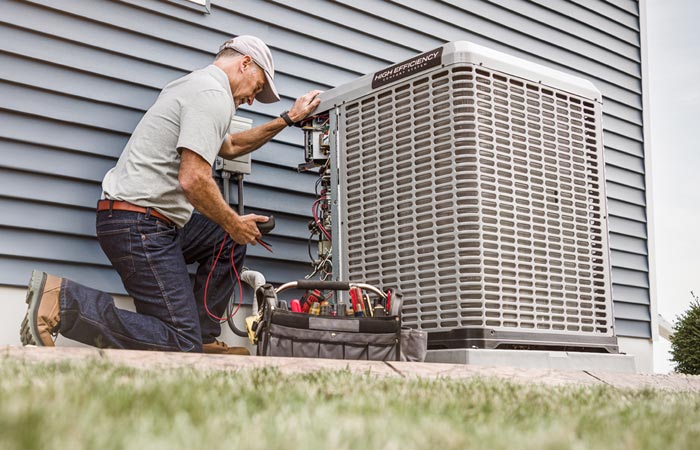
The new indoor and outdoor equipment must be properly positioned, connected, and integrated with the home’s HVAC system. Depending on the installation, this can involve refrigerant piping, condensate drainage, electrical connections, duct transitions, thermostat controls, and other components required for proper operation.
Attention to these details matters. Even high-quality equipment can underperform when airflow, controls, refrigerant operation, electrical connections, or other installation requirements are not handled correctly.
System Startup and Testing
Installation is not complete simply because the air conditioner turns on. The system should be started, checked, and tested to verify that the equipment and controls are operating as intended.
We also make sure the homeowner understands the basic operation of the new system and thermostat. If the equipment has features or operating characteristics that differ from the previous system, we can explain what to expect.
Electrical Requirements and AC Replacement
Modern air conditioning equipment has specific electrical requirements, and those requirements should be considered when planning an installation. The existing electrical configuration may be suitable for the new system, or changes may be necessary depending on the equipment being installed.
This is especially relevant when replacing much older equipment or making broader changes to the home’s heating and cooling system. Electrical requirements should be identified during the planning process rather than treated as an afterthought once installation begins.
Efficiency Is More Than an Equipment Rating
Modern air conditioners are available in a range of efficiency levels, but the rating on the equipment does not tell the entire story about how efficiently the system will operate in a particular home.
Sizing, duct leakage, airflow, thermostat settings, insulation, maintenance, and installation quality can all influence real-world performance. Installing higher-efficiency equipment without addressing significant airflow or duct problems can limit the benefit of the upgrade.
We help homeowners compare equipment based on the complete system rather than assuming the highest efficiency rating is automatically the best choice for every property.
Installing Air Conditioning for Alameda’s Coastal Climate
Alameda’s climate is generally milder than communities farther inland, but that does not eliminate the need for dependable cooling. Warm afternoons and periods of summer heat can make homes uncomfortable quickly, particularly in upper floors, rooms with significant sun exposure, and homes with limited natural airflow.
The Bay also influences local conditions differently than a hotter inland climate. Equipment should be selected for the home’s actual cooling requirements rather than assuming that a system designed for a much warmer location is automatically appropriate for Alameda.
Coastal exposure can also matter over the life of outdoor HVAC equipment. Proper installation, appropriate equipment placement, and ongoing maintenance are important considerations for systems exposed to marine air.
Air Conditioning for Older and Remodeled Alameda Homes
Alameda has many older homes, and installing modern cooling equipment in an established property can require more planning than replacing a system in newer construction.
A home may have undergone additions, kitchen expansions, attic conversions, window replacements, insulation improvements, or other remodeling since the HVAC system was originally designed. Those changes can alter cooling requirements and airflow patterns.
Some homes also have duct systems that were added or modified long after the original construction. If certain rooms have always been uncomfortable, installing a new air conditioner without considering those existing conditions may leave the underlying comfort problem unchanged.
Our approach is to look at how the current home performs today rather than assume its cooling needs are identical to what they were when the previous equipment was installed.
Central Air Conditioning or a Heat Pump?
Replacing an older air conditioner can also be a good time to consider whether you want to continue with a conventional central cooling system or evaluate a heat pump.
A heat pump can provide both heating and cooling from one system, making it a practical option for some Alameda homeowners who are replacing aging HVAC equipment or considering a move toward electric heating and cooling.
That does not mean a heat pump is automatically the right choice for every home. Existing heating equipment, ductwork, electrical capacity, comfort preferences, project scope, and long-term plans should all be considered.
If you are considering both options, our heat pump installation in Alameda information explains that alternative in more detail. We can also help you compare the two approaches based on your home’s existing HVAC system and your goals for the replacement.
What Happens After Your New AC Is Installed?
A new air conditioner should provide reliable service for years, but installation is not the end of system care. Filters still need attention, outdoor and indoor equipment should be kept in appropriate condition, and periodic maintenance gives technicians an opportunity to check system operation as the equipment ages.
Maintenance is also useful for identifying changes in airflow, electrical components, coils, drainage, and other operating conditions before they develop into larger problems.
Taking care of the new system helps protect the investment you made in the installation and provides an opportunity to identify developing issues before they interfere with cooling.
Why Alameda Homeowners Choose Harry Clark
A new air conditioning system is a long-term investment in your home’s comfort. Harry Clark Heating & Air Conditioning approaches installation by looking at the complete system rather than treating replacement as a simple equipment swap.
That means considering the condition of the existing HVAC system, equipment sizing, airflow, ductwork, controls, electrical requirements, and the comfort problems you want the new system to solve.
Our goal is to help you understand your options and recommend equipment that makes sense for the home. We believe homeowners should know why a particular system is being recommended and what to expect from the installation.
Harry Clark has extensive experience working in Alameda and throughout the East Bay. That regional experience is valuable when evaluating older homes, existing duct systems, additions, remodeled spaces, and other conditions that can affect the performance of a new air conditioning system.
Schedule Air Conditioning Installation in Alameda, CA
If your existing air conditioner is becoming unreliable, no longer keeps your home comfortable, or is reaching the point where continued repairs no longer make practical sense, Harry Clark Heating & Air Conditioning can help you evaluate the next step.
We will assess your existing system, discuss your comfort priorities, and help you select air conditioning equipment appropriate for your Alameda home.
Call (510) 444-1960 or contact Harry Clark Heating & Air Conditioning to schedule an estimate for air conditioning installation in Alameda, CA.
Air Conditioning Installation FAQs
How do I know when it is time to replace my air conditioner?
Replacement may be worth considering when an air conditioner needs frequent repairs, has a major component failure, no longer cools the home adequately, operates inconsistently, or is becoming increasingly expensive to keep running. Age is important, but the overall condition of the system and the cost of the current repair should also be considered.
What size air conditioner does my Alameda home need?
The appropriate size depends on more than square footage. Home layout, insulation, windows, sun exposure, ductwork, airflow, construction, and other factors can influence cooling requirements. Proper equipment selection should be based on the needs of the individual home rather than simply matching the size of the existing air conditioner.
Can I replace my air conditioner without replacing my furnace?
In some situations, an air conditioner can be replaced without replacing the furnace. Compatibility between the new cooling equipment and existing indoor equipment needs to be evaluated, along with the age and condition of the furnace, blower performance, controls, and other system requirements.
Should my ductwork be checked when I replace my AC?
Yes, particularly if the home has weak airflow, rooms that have always been difficult to cool, older ductwork, or ducts that have been modified over time. A new air conditioner may not correct comfort problems caused by leakage, restrictions, inadequate returns, or other air-distribution issues.
Is a higher-efficiency air conditioner always the best choice?
Not necessarily. Efficiency is important, but equipment sizing, installation quality, airflow, duct condition, controls, project cost, and the home’s cooling requirements should also be considered. The best choice is a system that provides an appropriate balance of comfort, efficiency, reliability, and long-term value for the home.
Should I install an air conditioner or a heat pump in Alameda?
Both can be appropriate depending on the home. A central air conditioner provides cooling and works with a separate heating system, while a heat pump can provide both heating and cooling. Existing equipment, electrical requirements, ductwork, comfort goals, and plans for future HVAC upgrades can all influence the decision.
How long does an air conditioning installation take?
The amount of time required depends on the existing system and the scope of the installation. A straightforward equipment replacement may differ significantly from a project requiring duct modifications, electrical changes, equipment relocation, or other improvements. The installation requirements should be identified during the evaluation so the homeowner understands the expected scope of work.
Get an Estimate for Air Conditioning Installation